
Utah Demolition Pros is a licensed and insured demolition contractor serving Salt Lake County and the Wasatch Front, handling residential and commercial demolition, concrete removal, pool removal, interior demolition, and structure removal. Every job includes the permit, utility disconnect coordination, asbestos inspection scheduling, debris haul-off, and a rough-graded lot, with free written quotes back in 24 hours.
What Demolition Contractors in Salt Lake County Cover
Most homeowners only hire a demolition contractor once or twice in their life, so it helps to know the full scope before you call around for quotes. A demolition contractor working in Salt Lake County should be able to handle more than just knocking down a building — the job usually touches permitting, utilities, hazardous material screening, and disposal, all before a single wall comes down.
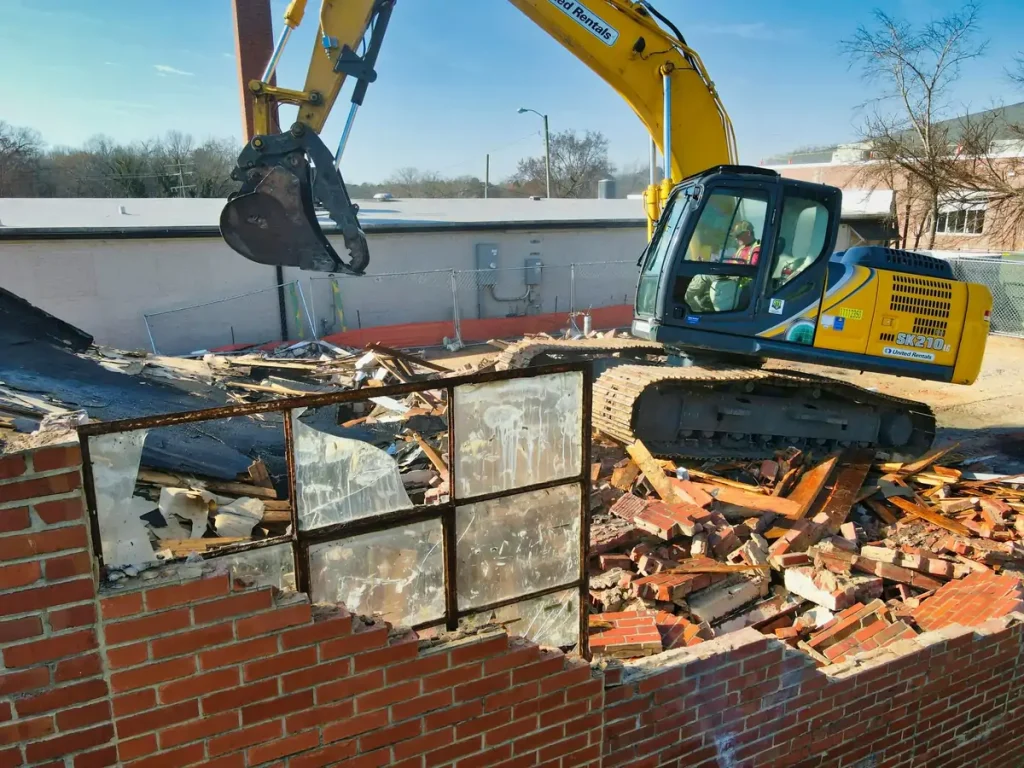
The core work breaks into a handful of categories. Residential demolition covers full house teardowns, garage removal, and foundation and basement demolition ahead of a rebuild. Commercial demolition handles tenant improvements, full structure teardowns, and site clearing for developers and property owners. Concrete removal takes out driveways, patios, slabs, and old foundations that are cracked, heaved, or just in the way of a new project. Pool removal covers both partial and full removal, including the engineered backfill and compaction needed if you plan to build over the site later. Interior demolition strips out kitchens, bathrooms, or entire interiors down to the studs ahead of a remodel. And structure removal clears sheds, decks, fences, barns, and chimneys that have outlived their usefulness. If you want a fuller walkthrough of how these services apply city by city, the guide on demolition services across Salt Lake County breaks it down in more detail.
What’s Included in Every Demolition Job
The line item on a quote that says “demolition” is rarely the whole job. A contractor who’s done this for a while builds the surrounding work into the price and the schedule, because skipping any of it either stalls the project or creates liability down the road.
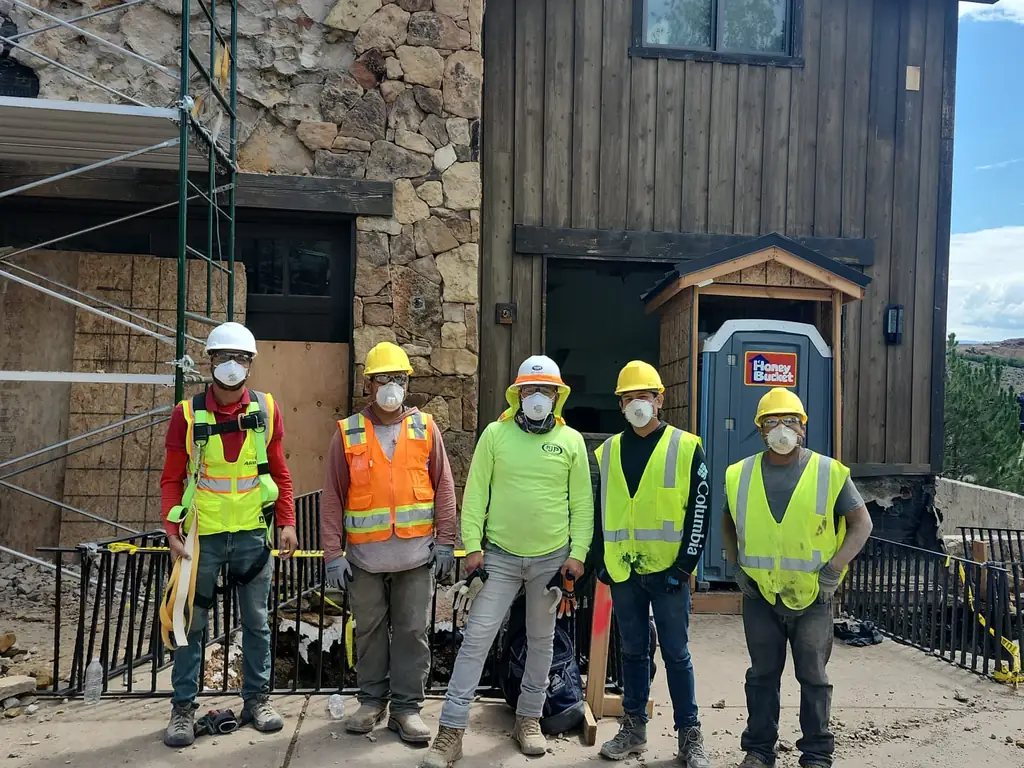
That means the demolition permit gets pulled before work starts, utility disconnects get coordinated with the gas, power, and water providers so a line doesn’t get cut live, and an asbestos inspection gets scheduled — required on most structures before demolition, regardless of the building’s age. Once the structure is down, debris gets hauled off site, with concrete and metal recycled where possible instead of going straight to landfill. The lot gets left rough-graded, not just cleared, so it’s ready for a builder, a for-sale sign, or whatever comes next. A contractor who quotes a number without mentioning permits, disconnects, or haul-off is leaving out pieces you’ll end up handling yourself, usually at a worse price than if it had been bundled in from the start. Free written quotes should come back within 24 hours of a site walk, giving you a real number to compare rather than a ballpark guess.
Cities We Serve Across the Wasatch Front
Salt Lake County is the base of operations, but the service area runs the length of the Wasatch Front and beyond. That includes Salt Lake City, West Valley City, Sandy, West Jordan, South Jordan, and Herriman within the valley, plus Ogden and Layton to the north, Provo to the south, Park City up the canyon, and Logan and St. George beyond the immediate metro. Each of these cities has its own permit office and sometimes its own quirks — Salt Lake City, for example, has a 200 square foot threshold for detached structures that changes whether a shed or small outbuilding needs a permit at all. A contractor who works across these cities regularly knows which office wants what paperwork and won’t be guessing when your project crosses a jurisdiction line. For projects outside the listed cities, it’s worth asking directly — travel for the right project is common, it just depends on scope.
How to Choose a Demolition Contractor in Salt Lake County
Price matters, but it shouldn’t be the only filter. A few questions separate a contractor who will keep your project on schedule from one who will leave you handling permit delays or disposal surprises mid-job.
Verify Licensing and Insurance
Demolition involves heavy equipment, structural uncertainty, and sometimes hazardous materials, so licensing and insurance aren’t a formality — they’re what protects you if something goes wrong on your property. Ask directly whether the contractor is licensed and insured for demolition work specifically, not just general contracting, and ask who is responsible for utility disconnects and permit filing. If the answer is vague, treat that as a warning sign.
Get a Written Quote, Not a Verbal Estimate
A verbal number over the phone can’t account for access issues, basement depth, or what’s actually under a slab. A real quote comes after someone walks the site and looks at what’s there — tree cover, fence lines, how close the structure sits to a neighbor’s property, whether equipment can reach the back of the lot. A written quote also gives you something to hold the contractor to if the scope changes.
Confirm Who Handles the Permit and Asbestos Survey
Utah requires an asbestos survey before demolition on most structures, and if asbestos is found, the Utah Division of Air Quality requires a 10 working day notification period before demolition can proceed. That timeline needs to be built into your schedule from day one, not discovered halfway through. Ask whether the contractor schedules the asbestos inspection as part of the job or expects you to arrange it separately, and whether permit filing is included in the quoted price. For a full breakdown of how permits work city by city, including Salt Lake City’s specific rules, see the Salt Lake City demolition permit guide.
What Affects Cost and Schedule
No two demolition jobs price out the same, and the biggest swings come from a handful of predictable factors. Site access is one — a lot with tight street frontage or a structure wedged between two neighbors takes longer and costs more than an open lot an excavator can walk straight onto. Basements and foundations add weight and time, since breaking up concrete and hauling it off takes more effort than knocking down framing. Asbestos, if found, adds the abatement cost and the mandatory notification period on top of the demolition itself. And disposal weight matters too — heavier materials like concrete and brick cost more to haul and process than wood framing, even though a good contractor recycles concrete and metal wherever possible to cut down on landfill tonnage. Season plays a role as well: frozen ground in winter and spring runoff can both slow equipment access, which is why a lot of Salt Lake Valley teardowns cluster in the drier months. For specific numbers and ranges tied to these factors, the demolition cost guide lays out what drives the final price.
Getting a Free Quote
The fastest way to get a real number for your project is a site walk, not a phone estimate. A contractor who knows the valley can look at access, structure size, and what’s likely under the slab and give you a written number back within 24 hours — enough to compare against other bids or plan a rebuild budget around. If you’ve got a teardown, an old pool, a failing driveway, or a shed that needs to go, reach out for a free written quote and get a straight answer on scope, timeline, and what’s included before you commit to anything.
Frequently asked questions
Do demolition contractors in Salt Lake County pull the permit for me?
Yes, on a properly scoped job the contractor files the demolition permit as part of the work, along with coordinating utility disconnects with the gas, power, and water providers. Permit requirements vary by city — Salt Lake City, for example, has a 200 square foot threshold for detached structures — so ask specifically how your city's rules apply before work starts.
How much does it cost to hire a demolition contractor in Salt Lake County?
Cost depends heavily on structure size, site access, whether there's a basement or foundation to remove, and whether asbestos is found during the required inspection. Disposal weight and recycling also factor in. Rather than guessing, a written quote after a site walk gives you a real number tied to your specific property and project scope.
How long does a typical demolition job take in Salt Lake County?
Timeline depends on structure size and whether an asbestos survey turns up material requiring the mandatory 10 working day notification to the Utah Division of Air Quality before work can proceed. Add permit issuance and utility disconnect scheduling on top, and a straightforward teardown can move faster than one with a basement, asbestos, or tight site access.
Do I need an asbestos inspection before demolishing a structure in Utah?
Yes, an asbestos inspection is required on most structures before demolition, regardless of the building's age. If asbestos is found, Utah law requires a 10 working day notification period to the Utah Division of Air Quality before demolition can begin, which needs to be built into your project timeline from the start.
What happens to the debris after a demolition job?
Debris gets hauled off the property after the structure comes down, with concrete and metal recycled where possible instead of sent straight to landfill. The lot is then left rough-graded rather than just cleared, so it's ready for a builder, a for-sale listing, or whatever comes next for the property.
Have a project to price?
Free written quote within 24 hours. Send photos or schedule a site visit.